

Polonnaruwa
The island’s second ancient capital and a UNESCO World Heritage Site, Polonnaruwa is the most rewarding of the Cultural Triangle’s ruined cities — compact, beautifully preserved, and best explored by bicycle in the soft light of early morning.
A city you can read
Where Anuradhapura is vast and diffuse, Polonnaruwa is concentrated and legible — a medieval capital that flourished in the 11th and 12th centuries and was then swallowed by jungle, which preserved it. Palaces, council chambers, monasteries, image houses and the great Parakrama Samudra reservoir all survive within a walkable, cyclable core. With a guide who knows it, a thousand-year-old city reassembles itself around you.
The Gal Vihara
The single greatest sight is the Gal Vihara — four colossal Buddha images carved from one granite face, including a serene 14-metre reclining figure that is among the finest sculpture anywhere in Asia. The craftsmanship, the scale and the stillness of the place are extraordinary; most visitors fall quiet without being asked.
Cycling the ruins
Polonnaruwa is made for cycling. The flat, shaded paths between the monuments are a pleasure in themselves, and a bicycle lets you move at the right pace — pausing at the Vatadage, the Lankatilaka image house, the lotus pond — without the heat and hurry of a vehicle. We arrange bikes and an early start to have the ruins almost to yourself.
Wildlife on the doorstep
Polonnaruwa sits beside the great national parks of the dry zone — Minneriya and Kaudulla, where the elephant Gathering peaks in the dry season, are a short drive away. It makes an excellent base for combining heritage and wildlife in a single, easy stretch of the triangle.
Practical information
Getting there
About 4–4.5 hours from Colombo, or roughly an hour from Sigiriya/Dambulla. Central to a Cultural Triangle loop.
Where to stay
Lakeside hotels and a few design-led lodges; many travellers base at nearby Sigiriya or Habarana and visit on a day trip.
What to eat
Dry-zone rice and curry, freshwater lake fish, and curd with kithul treacle. Carry water for the ride between monuments.
Best time to visit
Year-round; February–April is driest. Visit at dawn to beat the heat, and time the dry season (Aug–Sep) for the nearby elephant Gathering.
“Hire a bicycle and start at opening time. Polonnaruwa at 7am, with the mist still on the reservoir and the Gal Vihara to yourself, is one of the quiet wonders of the island.”
Itineraries that include Polonnaruwa
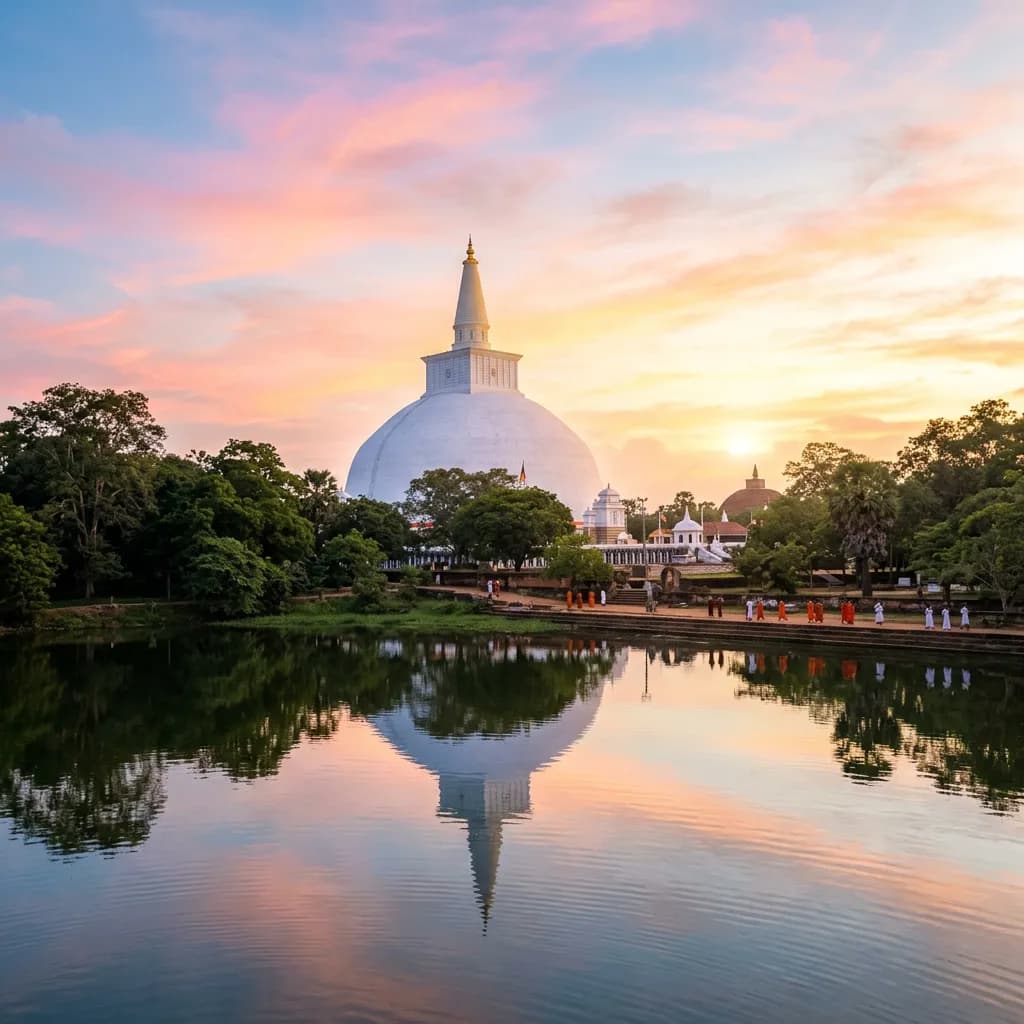
The Kingdoms Letter
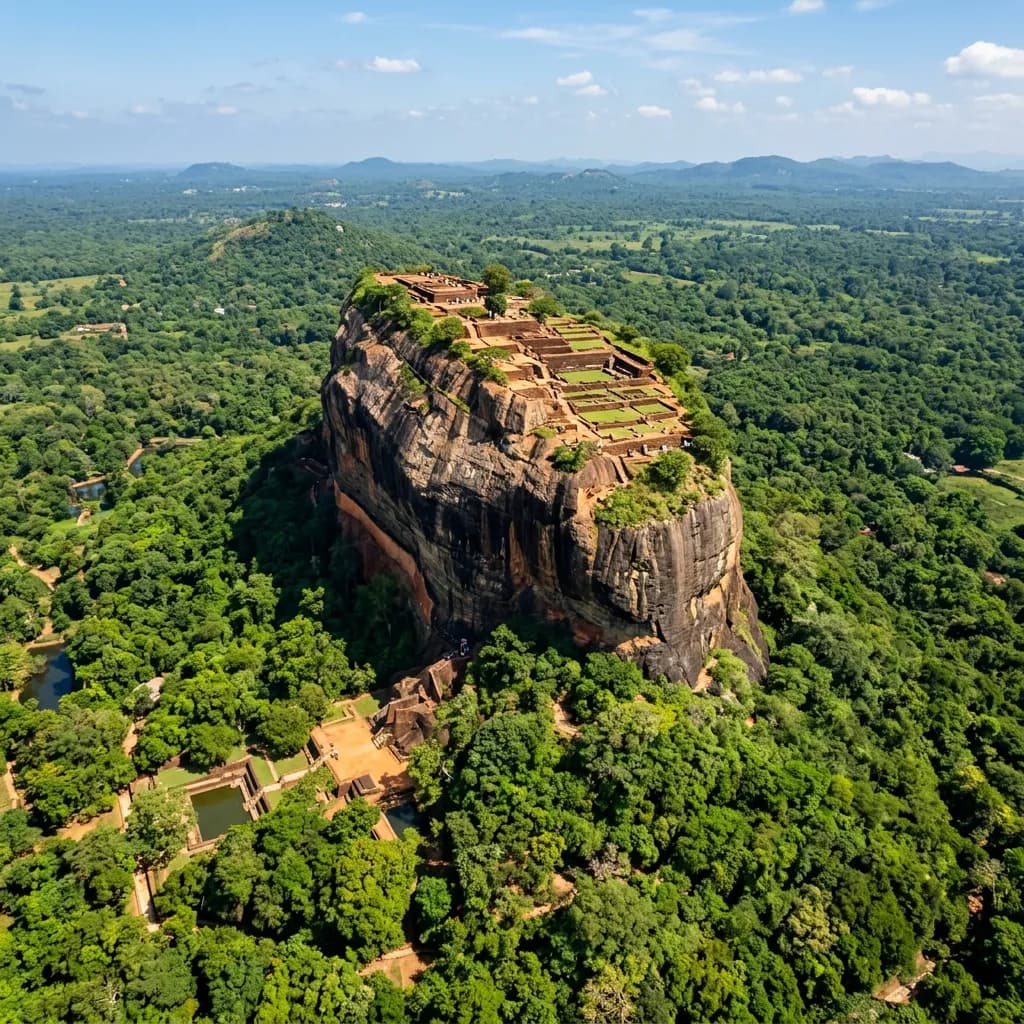
Classic Sri Lanka
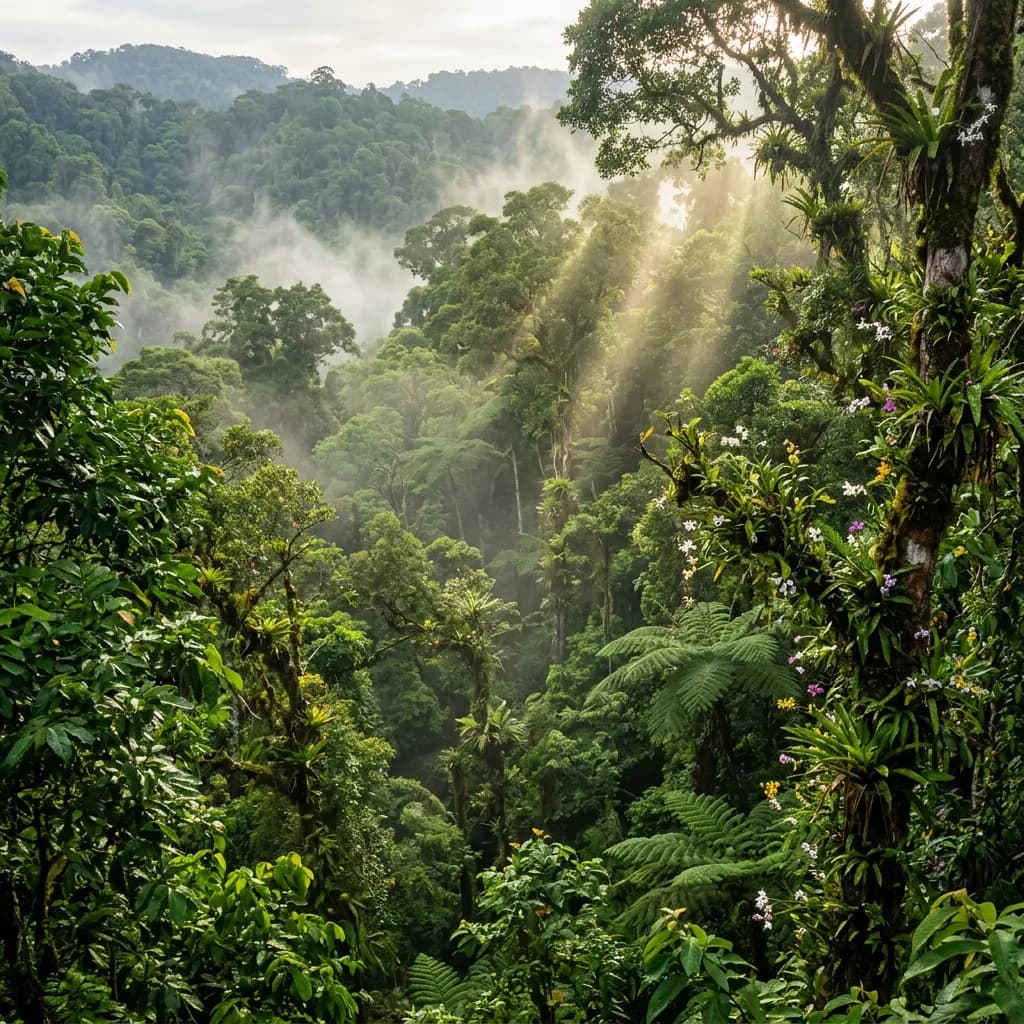
The Photographer's Atlas
Explore by interest: Heritage & Ancient Kingdoms, Wildlife & National Parks.
Add Polonnaruwa to your Sri Lanka trip
Tell Ajit how you like to travel and he’ll weave Polonnaruwa into a tailor-made itinerary — no obligation, a real reply within 24 hours.